Table of Contents
- Best Ways to Get Repeat Customers: Your Ultimate Guide to Building Lasting Loyalty
- Why Repeat Customers Are Your Business’s Lifeblood
- Laying the Foundation: Exceptional First Impressions
- Strategies for Nurturing Loyalty and Engagement
- Continuous Improvement: Listening and Adapting
- Conclusion: The Journey to Enduring Customer Relationships
- Frequently Asked Questions (FAQs)
Best Ways to Get Repeat Customers: Your Ultimate Guide to Building Lasting Loyalty
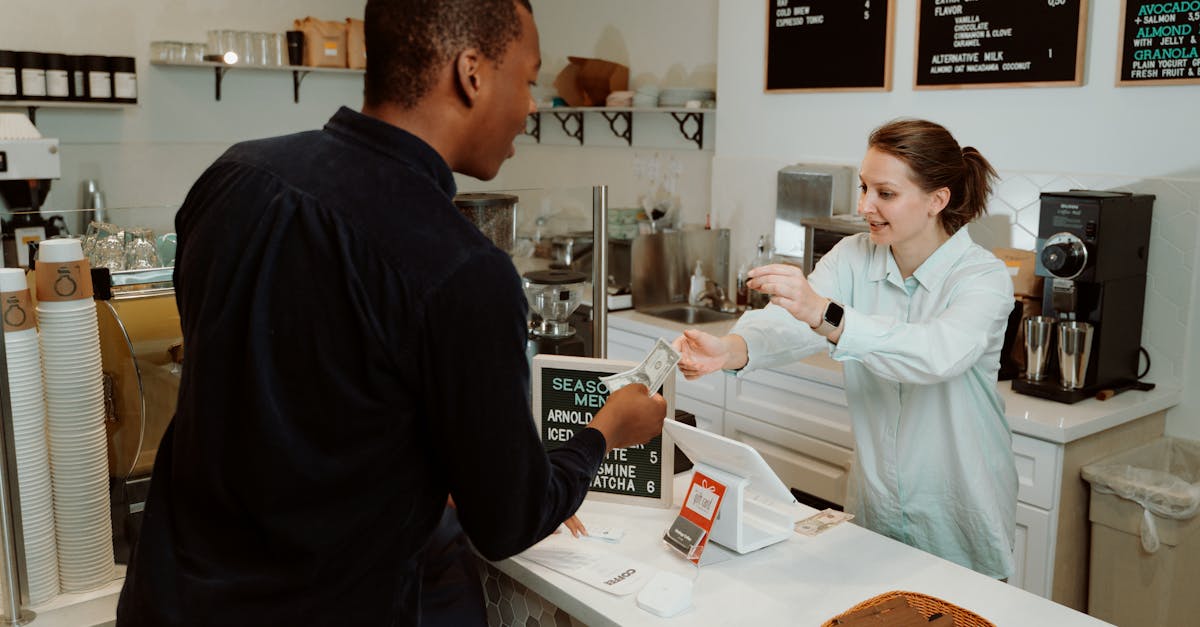
Ever walked into your favorite coffee shop and the barista already knows your order? Or perhaps a specific online store consistently recommends items you genuinely love? That feeling, that sense of being understood and valued, isn’t accidental. It’s the magic of repeat customers, and it’s something every business, big or small, should be striving for. Think of your business like a garden. You can plant new seeds every day, sure, but imagine the bounty if you nurture the plants you already have, ensuring they bloom season after season. That, my friend, is the essence of cultivating repeat customers.
In today’s hyper-competitive marketplace, attracting new customers can feel like an uphill battle, a constant chase for attention and budget. But what if I told you that some of your most valuable assets might already be within your reach? We’re talking about those customers who have already experienced what you have to offer, who know your brand, and who, with the right encouragement, are ready to come back for more. This isn’t just about making another sale; it’s about building enduring relationships that become the bedrock of your business’s long-term success. So, let’s dive deep into the strategies that transform one-time buyers into loyal patrons, creating a vibrant ecosystem where your business thrives.
Why Repeat Customers Are Your Business’s Lifeblood
You’ve heard the saying, “It costs more to acquire a new customer than to retain an existing one.” This isn’t just a catchy phrase; it’s a foundational truth in business. Imagine pouring buckets of water into a sieve. That’s often what it feels like when you’re constantly chasing new leads without focusing on retention. Repeat customers are the anchors of your business, providing stability and predictable revenue streams. They aren’t just transactions; they’re investments that pay dividends again and again.
Think about it: a new customer requires marketing spend, effort to educate them about your product or service, and a leap of faith on their part. A repeat customer? They already know you, they trust you, and they’ve already demonstrated their willingness to purchase from you. This pre-existing relationship significantly lowers your operational costs and increases the efficiency of your sales funnel. It’s like having a reliable fan base that not only shows up to every game but also brings their friends along. That’s invaluable, isn’t it?
The Hidden Value of Customer Retention
The benefits of customer retention extend far beyond simply saving on acquisition costs. When you have a strong base of repeat customers, several other powerful advantages begin to surface, quietly strengthening your entire business infrastructure. Let’s unpack some of these often-overlooked treasures:
- Higher Conversion Rates: Repeat customers are already familiar with your brand and your offerings. They don’t need convincing; they just need to know what’s new or what value you can add next. Their decision-making process is significantly shorter, leading to quicker sales cycles and a much higher likelihood of conversion compared to a cold lead.
- Increased Average Order Value (AOV): As customers become more comfortable and trusting of your brand, they often feel more confident in exploring your broader product range or investing in higher-value offerings. They know the quality, they trust the experience, and they’re more open to spending more because they perceive less risk.
- Powerful Word-of-Mouth Marketing: Loyal customers aren’t just buyers; they’re your most authentic brand ambassadors. When they’re genuinely happy, they’ll tell their friends, family, and colleagues. This organic, trusted form of marketing is incredibly potent and costs you nothing. Think about it: a recommendation from a friend carries far more weight than any advertisement, right?
- Valuable Feedback Loop: Repeat customers are more likely to provide honest, constructive feedback because they’re invested in your success. This insight is gold, helping you refine products, improve services, and identify new opportunities directly from the people who matter most.
- Reduced Churn: A focus on retention inherently means you’re building stronger relationships, which naturally leads to fewer customers leaving for competitors. This stability allows for better forecasting and long-term strategic planning.
Understanding Customer Lifetime Value (CLV)
If customer retention is the fuel, then Customer Lifetime Value (CLV) is the engine’s performance indicator. CLV isn’t just a fancy metric; it’s a profound way to understand the true worth of each customer to your business over the entire duration of your relationship. Instead of looking at a single transaction, CLV shifts your perspective to the bigger picture, helping you see the long-term potential in every person who engages with your brand.
Simply put, CLV is the total revenue a business can reasonably expect from a single customer account throughout their relationship with your company. Why is this so crucial? Because it helps you answer fundamental questions like: How much can I afford to spend to acquire a new customer? Which customer segments are most profitable? And, most importantly for our topic, how much should I invest in retaining an existing customer?
Calculating CLV can range from simple estimates to complex predictive models, but at its core, it often involves multiplying the average purchase value by the average number of purchases per year, and then multiplying that by the average customer lifespan. For instance, if a customer spends $50 per visit, visits 4 times a year, and stays with you for 5 years, their CLV is $50 * 4 * 5 = $1000. Knowing this number changes everything. It tells you that every effort to keep that customer happy for another year adds significant value. It helps you justify investments in loyalty programs, top-notch customer service, and personalized marketing efforts. Ultimately, a higher CLV means a more sustainable and profitable business.
Laying the Foundation: Exceptional First Impressions
You know that feeling when you walk into a place and just *know* it’s going to be good? That’s the power of an exceptional first impression. While we’re talking about repeat customers, the journey to loyalty truly begins with that very first interaction. Think of it like a first date. If it’s awkward, unfulfilling, or just plain bad, you’re probably not going for a second. The same goes for your customers. Their initial experience with your brand sets the tone for everything that follows. It’s not enough to simply make a sale; you need to create a moment that makes them think, “Wow, I really enjoyed that. I want to do that again.”
This means every touchpoint, from their first glance at your website or storefront to the moment they hold your product in their hands, needs to be meticulously crafted. Is your website easy to navigate? Is your product packaging delightful? Is the checkout process seamless? These aren’t just minor details; they are crucial components of a positive initial experience. When you nail the first impression, you’re not just making a sale; you’re laying the groundwork for a relationship, making it significantly easier to encourage that valuable repeat business down the line.
Beyond the Sale: The Post-Purchase Experience
The sale isn’t the finish line; it’s merely the first hurdle in the race for repeat business. In fact, what happens immediately *after* the customer clicks “buy” or walks out of your store often dictates whether they’ll ever return. The post-purchase experience is your golden opportunity to reinforce their decision, build trust, and truly differentiate yourself from competitors. Many businesses drop the ball here, focusing solely on the conversion, but this is where true loyalty begins to blossom.
Imagine buying something online and then waiting anxiously, unsure when it will arrive. Now, imagine receiving regular, clear updates: “Your order has shipped!”, “It’s out for delivery!”, and “It’s arrived!” Which experience would make you feel more valued? Details matter. This includes a smooth and transparent delivery process, easy-to-understand return policies, and personalized follow-up communication. A simple “Thank You” email isn’t enough anymore. Consider providing helpful tips for using their new product, inviting them to join your community, or even a small, unexpected bonus like a personalized discount for their next purchase.
Perhaps they receive a beautifully packaged product with a handwritten note, or a comprehensive guide on how to get the most out of their purchase. These thoughtful touches elevate a simple transaction into a memorable experience. It’s about ensuring their satisfaction doesn’t end when the payment clears but extends into how they use and enjoy what they’ve bought. When you consistently deliver a fantastic post-purchase experience, you’re not just selling products; you’re selling peace of mind and building a reputation for excellence that encourages customers to come back for more, time and time again.
Mastering Customer Service: The Human Touch
In an increasingly automated world, the human touch in customer service stands out like a beacon. It’s not just about solving problems; it’s about building rapport, demonstrating empathy, and making customers feel heard and valued. Think of customer service as the heartbeat of your business’s relationship with its patrons. A strong, steady beat reassures them; a weak or erratic one signals trouble. Exceptional customer service isn’t a cost center; it’s a profit center, directly influencing satisfaction, loyalty, and, yes, repeat business.
When customers encounter an issue, their primary concern isn’t necessarily just getting a refund or a replacement. They want to be understood. They want to feel that their problem matters to you. This is where trained, empathetic customer service professionals become invaluable. They are the frontline ambassadors of your brand, and their interactions can transform a potentially negative experience into an opportunity to strengthen loyalty. Empowering your team to make decisions, to go the extra mile, and to genuinely connect with customers creates moments that resonate long after the initial interaction. It’s about creating a bond that says, “We’ve got your back.”
Proactive Communication is Key
Why wait for a problem to arise before you communicate with your customers? Proactive communication is about anticipating needs, providing updates, and fostering a sense of transparency. It’s like having a friendly neighbor who texts you when your package has arrived, even before you get home. This approach builds immense trust and reduces potential frustrations before they even begin.
This could involve sending regular updates on order status, providing educational content related to their recent purchase, or even just checking in after a certain period to see how they’re enjoying your product or service. Imagine a software company sending a helpful tutorial right after onboarding, or a fashion brand sharing styling tips for a recently purchased item. These small, thoughtful gestures show you care beyond the transaction. They transform you from a vendor into a valued partner, ensuring customers feel supported and connected, making them far more likely to return.
Resolving Issues with Empathy and Efficiency
Let’s be real: mistakes happen. Products can be faulty, services can falter, and miscommunications are inevitable. What truly defines a brand is not the absence of problems, but how brilliantly they handle them when they inevitably occur. This is where empathy and efficiency become your secret weapons for turning a potentially loyal customer into an evangelist.
When a customer reaches out with an issue, their emotional state might be elevated. They might be frustrated, disappointed, or even angry. Your team’s first response should always be empathy. Start by genuinely listening, acknowledging their feelings, and validating their experience. Phrases like, “I understand how frustrating that must be,” or “I’m really sorry you’re going through this,” can instantly de-escalate the situation and show you truly care. Only after establishing that emotional connection should you swiftly move towards a solution. Be efficient, clear about the next steps, and follow through. Can you offer a quick replacement? A partial refund? An immediate fix? The goal isn’t just to resolve the issue; it’s to resolve it in a way that leaves the customer feeling satisfied, respected, and even impressed by your responsiveness. Often, customers who’ve had a problem handled exceptionally well become more loyal than those who’ve never had an issue at all. It’s about demonstrating your commitment to their happiness when it matters most.
Strategies for Nurturing Loyalty and Engagement
Once you’ve made that fantastic first impression and established a solid foundation of trust through excellent service, the real work of nurturing loyalty begins. This isn’t a passive process; it requires active, ongoing engagement that consistently reminds your customers why they chose you in the first place, and why they should continue to choose you. Think of it like a long-term relationship: you don’t just stop trying after the first few dates, do you? You continue to show appreciation, connect on deeper levels, and evolve together. The same principle applies to your customer relationships.
Effective loyalty strategies go beyond mere transactional benefits; they tap into emotional connections and create a sense of belonging. They are about making your customers feel seen, heard, and valued, transforming them from anonymous buyers into an integral part of your brand’s story. From hyper-personalization to community building, these strategies are designed to weave your brand into the fabric of their lives, making it incredibly difficult for them to imagine going anywhere else. Let’s explore how you can keep that flame of loyalty burning bright.
Personalization: Making Every Customer Feel Special
In a world saturated with generic marketing messages, personalization is no longer a luxury; it’s an expectation. We’ve all grown accustomed to services like Netflix recommending movies we’ll love, or Amazon suggesting products that genuinely pique our interest. Why should your customers expect anything less from you? Making every customer feel special means treating them not as a statistic, but as an individual with unique preferences, needs, and a personal history with your brand. It’s about moving from “To Whom It May Concern” to “Hey [Customer Name], we thought you’d love this!”
Effective personalization goes far beyond just using a customer’s first name in an email. It involves understanding their past behavior, purchase history, browsing patterns, and even their stated preferences, then leveraging that data to create highly relevant and timely interactions. When you deliver a personalized experience, you demonstrate that you truly know and appreciate them, fostering a deeper connection and significantly increasing the likelihood of repeat purchases. It’s like having a trusted personal shopper who knows your style inside out.
Tailored Recommendations and Offers
Think about the last time you bought a product and then received a follow-up email recommending something completely irrelevant. Frustrating, right? Now, imagine receiving a suggestion for an accessory that perfectly complements your recent purchase, or an offer for a product you almost bought but left in your cart. That’s the power of tailored recommendations and offers.
By analyzing a customer’s past purchases, browsing history, and even demographic data, you can create highly relevant suggestions. E-commerce giants do this brilliantly, but smaller businesses can too. This might involve suggesting products frequently bought together, showcasing new arrivals in categories they’ve previously explored, or offering exclusive discounts on items they’ve shown interest in. The key is to make these recommendations feel helpful and insightful, rather than just another sales pitch. When your suggestions consistently hit the mark, customers feel understood, leading to a much higher conversion rate and a stronger sense of loyalty. It’s like a friend suggesting the perfect book for you because they know your taste so well.
Personalized Communication Channels
Not everyone wants to receive marketing emails daily, and not everyone checks their SMS messages. Understanding and respecting your customers’ preferred communication channels is another vital layer of personalization. It’s not just about *what* you say, but *where* and *when* you say it.
Some customers might prefer short, timely updates via SMS, while others might appreciate a detailed monthly newsletter via email. Some might engage most with your brand on social media, participating in polls or discussions. By giving customers the option to choose how they hear from you, and by respecting those choices, you demonstrate that you value their time and preferences. This also means tailoring the content to the channel. A quick Instagram story might announce a flash sale, while an email might delve into the features of a new product. This thoughtful approach ensures your messages are not only received but also welcomed, strengthening the overall customer experience and reinforcing their loyalty.
Loyalty Programs That Actually Work
When you hear “loyalty program,” what comes to mind? Probably punch cards or generic points systems, right? While those have their place, truly effective loyalty programs go far beyond basic discounts. They’re designed to make your most valuable customers feel truly appreciated, offering benefits that resonate deeply and create a compelling reason to stick with your brand. A great loyalty program transforms transactions into a continuous journey, where every interaction adds value to the customer relationship.
The goal isn’t just to incentivize spending; it’s to foster an emotional connection and a sense of belonging. Think of it as creating an exclusive club where your best customers get special perks. This could be anything from early access to new products, personalized experiences, or even simply being recognized for their long-standing support. When done right, loyalty programs are powerful engines for repeat business, turning casual buyers into devoted advocates who not only return themselves but also proudly champion your brand to others.
Tiered Rewards Systems
Imagine being part of an exclusive club where the more you participate, the better the perks become. That’s the essence of a tiered rewards system, and it’s incredibly effective for driving repeat business. Instead of a one-size-fits-all approach, tiered programs segment customers into different levels (e.g., Bronze, Silver, Gold, Platinum) based on their engagement or spending, with increasing benefits as they climb the ranks.
This gamified approach taps into our natural desire for achievement and recognition. It provides a clear path for customers to aspire to higher levels, motivating them to continue interacting with your brand to unlock more valuable rewards. Bronze members might get basic discounts, while Gold members could receive early access to new products, free shipping, exclusive experiences, or even personalized consultations. The perception of exclusivity and the tangible benefits of reaching a higher tier act as powerful motivators, encouraging customers to consolidate their spending with your brand rather than exploring competitors. It’s a clear demonstration that you recognize and reward their commitment, transforming casual buyers into ambitious brand champions.
Experiential Rewards vs. Discounts
While everyone loves a good discount, relying solely on price reductions for loyalty can sometimes devalue your brand and attract customers who are primarily driven by cost, rather than value. This is where experiential rewards shine, offering something far more memorable and impactful than a simple percentage off. Think about it: a discount is quickly forgotten, but an experience can create a lasting memory and a deeper emotional connection to your brand.
Experiential rewards might include early access to new product launches, invitations to exclusive VIP events, personalized product customization services, one-on-one sessions with experts, or even behind-the-scenes tours. For a coffee shop, it could be a free barista workshop; for a book store, an invitation to a private author signing. These types of rewards are often perceived as higher value, more unique, and less easily replicated by competitors. They create stories and emotional resonance that discounts simply can’t match. When you offer experiences, you’re not just selling a product or service; you’re selling a lifestyle, a community, and a deeper engagement with your brand, making customers feel truly special and fostering profound loyalty.
Building a Community Around Your Brand
Have you ever noticed how some brands aren’t just selling products, but they’re selling a lifestyle, an identity, or a shared passion? That’s the power of community building. When customers feel like they’re part of something bigger than just a transaction, their loyalty skyrockets. It transforms your brand from a mere provider of goods or services into a gathering place, a shared interest, a tribe. This isn’t about marketing *to* customers; it’s about facilitating connections *among* customers, with your brand as the central hub.
A thriving brand community creates a powerful feedback loop, fosters organic advocacy, and significantly increases customer stickiness. People stay not just for your products, but for the connections they’ve made, the information they’ve gained, and the sense of belonging they feel. It’s about tapping into the human need for connection and belonging, and when you do that successfully, you cultivate a legion of loyal customers who feel deeply invested in your brand’s success.
User-Generated Content and Testimonials
In an era of skepticism towards traditional advertising, user-generated content (UGC) and authentic testimonials are gold. When potential customers see real people, just like them, enthusiastically using and endorsing your products, it builds an unparalleled level of trust and credibility. It’s the ultimate social proof, far more impactful than any perfectly polished ad campaign. Think of it like this: would you trust a friend’s recommendation more than a stranger trying to sell you something? Of course, you would!
Actively encouraging and showcasing UGC, whether it’s customer photos on Instagram, video reviews on YouTube, or written testimonials on your website, creates a virtuous cycle. Not only does it provide invaluable social proof for new customers, but it also makes your existing loyal customers feel recognized and celebrated. When you feature their content, you’re essentially saying, “We see you, we appreciate you, and you’re part of our story.” This recognition strengthens their bond with your brand and motivates others to share their experiences, further expanding your community and driving repeat engagement. It’s a win-win strategy that turns your customers into your most effective marketing team.
Hosting Exclusive Events or Groups
Imagine getting an invitation to a private gathering or a secret online forum where only the most dedicated fans of a brand can enter. That feeling of exclusivity and belonging is incredibly powerful for fostering loyalty. Hosting exclusive events or creating dedicated groups for your best customers is a fantastic way to deepen relationships and make them feel truly valued.
These events don’t have to be lavish. They could be online webinars with industry experts, private Q&A sessions with your product development team, local meet-ups for community members, or even early bird access to product launch parties. For online businesses, this might translate to a private Facebook group, a Discord server, or an exclusive forum where members can connect, share tips, and get direct access to your team. The key is to create a space where customers can feel special, connect with like-minded individuals, and get unique value that isn’t available to the general public. This fosters a strong sense of community, makes them feel like insiders, and significantly boosts their emotional investment in your brand, making repeat business almost a given.
Continuous Improvement: Listening and Adapting
Building a base of repeat customers isn’t a “set it and forget it” endeavor; it’s an ongoing journey that requires constant attention, adaptation, and a genuine willingness to evolve. Think of it like a relationship with a close friend: you wouldn’t expect it to thrive if you never listened to them or paid attention to their changing needs, right? Your business’s relationship with its customers is no different. The landscape is always shifting, customer preferences evolve, and new competitors emerge. To stay relevant and continuously earn their loyalty, you must commit to a cycle of listening, learning, and improving.
This means actively seeking out feedback, delving into data to understand behavior, and being agile enough to implement changes based on those insights. It’s about maintaining an open dialogue, demonstrating that you value their opinions, and showing them that their experience truly matters to you. When customers see that you’re not just selling to them but are genuinely working to serve them better, their trust deepens, and their loyalty becomes an unbreakable bond. This proactive approach to continuous improvement is the ultimate long-term strategy for ensuring repeat business and sustainable growth.
The Power of Feedback: Surveys and Reviews
If you want to know what your customers truly think and how you can better serve them, why not just ask? Feedback, whether through surveys or reviews, is an invaluable compass guiding your business improvements. It’s like having a direct line into the minds of your most important stakeholders, offering insights you simply can’t get from internal discussions alone.
Implementing strategic feedback mechanisms, such as Net Promoter Score (NPS) surveys, Customer Satisfaction (CSAT) surveys, or even simple feedback forms after a purchase, can uncover critical pain points and highlight areas of excellence. Don’t just collect data; analyze it and, most importantly, *act* on it. Responding to both positive and negative reviews publicly and privately shows that you’re engaged and committed to customer satisfaction. When customers see that their feedback leads to tangible changes or improvements, it not only validates their input but also strengthens their trust and sense of being heard. This proactive approach to seeking and utilizing feedback transforms it from a mere data collection exercise into a powerful tool for continuous improvement and deeper customer loyalty.
Analyzing Customer Data for Deeper Insights
Imagine trying to navigate a dense fog without a map or a compass. That’s what running a business without analyzing customer data can feel like. Your customers generate a wealth of information every time they interact with your brand, and this data is a treasure trove waiting to be unlocked. It’s not just about knowing *what* they bought, but *why*, *when*, and *how* they bought it, and what else they looked at.
By leveraging CRM systems, analytics tools, and purchase history, you can uncover patterns and trends that inform your retention strategies. Are certain demographics more prone to churn? What products are frequently bought together? Which marketing channels lead to the highest CLV? This kind of analysis allows you to move beyond guesswork and make data-driven decisions. For example, if you notice a drop-off in engagement after a certain period, you can proactively launch a re-engagement campaign. If a specific product consistently leads to repeat purchases, you can promote it more heavily. Deeper insights enable you to personalize experiences more effectively, predict future behavior, and preemptively address potential issues, transforming raw data into actionable strategies that cultivate lasting customer relationships.
Reactivating Dormant Customers
Sometimes, even the most loyal customers might drift away for various reasons: a change in their needs, a competitor’s enticing offer, or simply getting busy. But a dormant customer isn’t necessarily a lost customer. Think of them like friends you haven’t seen in a while; a thoughtful reach-out can often rekindle the connection. Reactivating these “lapsed” customers can be significantly more cost-effective than acquiring completely new ones, as they already know your brand and have a history with you.
The key to successful reactivation lies in personalized and value-driven outreach. Instead of generic “we miss you” emails, consider tailoring your message based on their past purchase history or browsing behavior. Did they buy a certain product category? Offer them a special discount on something similar or a new accessory. Did they respond well to a particular type of content? Send them fresh, relevant information. Perhaps offer a unique incentive, like an exclusive offer for their next purchase or an invitation to a special event. The goal is to remind them of the value you once provided and give them a compelling reason to re-engage. A well-executed win-back campaign can bring valuable customers back into the fold, breathing new life into your customer base and boosting your repeat business numbers.
Conclusion: The Journey to Enduring Customer Relationships
So, there you have it! The path to getting repeat customers isn’t a secret formula or a one-time fix; it’s a continuous, thoughtful journey built on genuine connection and consistent value. We’ve explored everything from making an unforgettable first impression and delivering stellar post-purchase service to the nuances of personalization, the power of effective loyalty programs, and the undeniable strength of a thriving brand community. It all boils down to one fundamental truth: your customers are not just transactions; they are individuals seeking experiences, solutions, and connections.
By investing in understanding, appreciating, and consistently engaging with your existing customer base, you’re not just securing future sales; you’re building a resilient, sustainable business that stands the test of time. Remember, every repeat customer is a testament to the trust and satisfaction you’ve earned, and they become your most powerful advocates in the marketplace. So, go forth, implement these strategies, listen intently, adapt thoughtfully, and watch as your business transforms from a fleeting encounter into a cherished, long-term relationship with those who matter most: your loyal customers. This isn’t just good business; it’s simply good human connection.
Frequently Asked Questions (FAQs)
1. Why are repeat customers more valuable than new customers?
Repeat customers are incredibly valuable because they cost significantly less to market to and convert. They already trust your brand, tend to spend more over time (higher CLV), generate valuable word-of-mouth referrals, and provide crucial feedback, contributing to more stable and profitable growth.
2. How important is customer service in retaining customers?
Customer service is paramount. It’s often the make-or-break factor. Exceptional service, particularly in resolving issues with empathy and efficiency, can turn a potentially negative experience into a powerful loyalty builder. It demonstrates that you value your customers beyond just their purchases.
3. What’s the best way to personalize communication without being intrusive?
The key is data-driven relevance and respecting preferences. Use past purchase history and browsing behavior to offer tailored recommendations, but also allow customers to choose their preferred communication channels and frequency. Always ensure your personalization provides genuine value, making interactions feel helpful rather than like surveillance.
4. Should I always offer discounts in my loyalty program?
While discounts can be part of a loyalty program, focusing solely on them can devalue your brand. Consider incorporating experiential rewards, early access, exclusive content, or tiered benefits that make customers feel special and part of an exclusive community. These often create deeper emotional connections and lasting loyalty than just price reductions.
5. How often should I try to reactivate dormant customers?
The frequency for reactivating dormant customers depends on your industry and typical purchase cycles, but generally, a personalized campaign 3-6 months after their last interaction is a good starting point. Avoid bombarding them; instead, send a thoughtful, value-driven message that reminds them of what they loved about your brand or offers a compelling reason to return.